
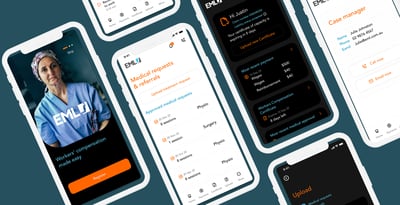
EML rebuilt their claims experience on a single Flutter codebase — cutting processing time, lifting capacity, and giving leadership real-time visibility into every active claim. Here's how.
-
Client

- Project type Mobile App
- Industry Insurance


They almost didn't go ahead
Three concerns nearly stopped the project:
- Data security and the protection of sensitive customer information
- 100% compliance at every stage of the claims process
- Whether the system could hold under rising claim volumes
The challenge wasn't whether to change — it was whether change could happen without compromising compliance, uptime, or trust.
What the build entailed
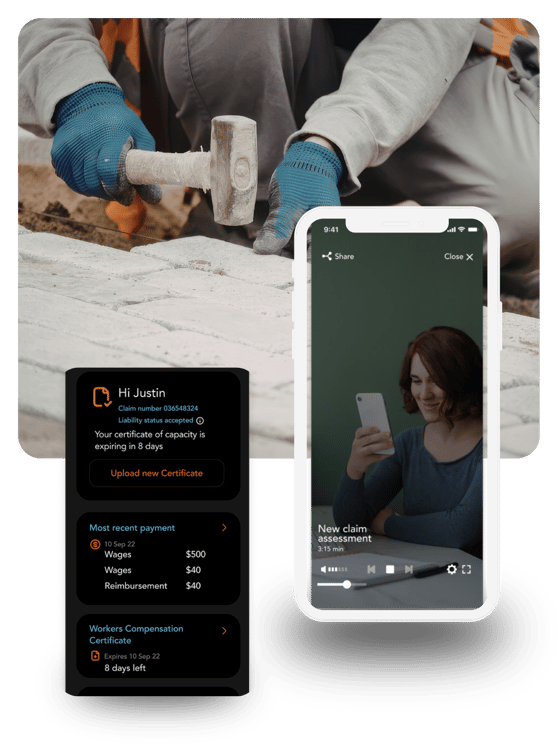
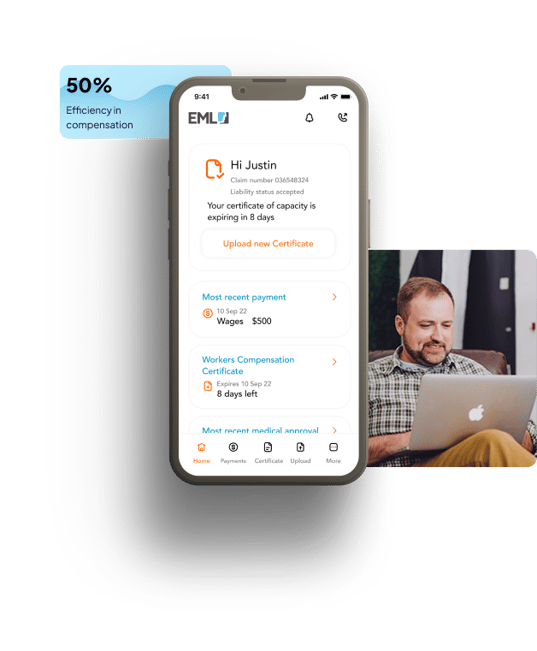
The solution focused on unifying the system at its core, not layering fixes on top.

Unified Flutter Codebase

Cross-Platform Application

Claims Management Engine

Real-Time Analytics Dashboard

Document Upload System

Regulation-Aligned Database Design
Why EML chose EB Pearls

Security was our biggest issue - EB Pearls kept it forefront of every meeting
Security wasn’t treated as a checklist. IP whitelisting and controlled access were implemented before development progressed.
Scalability underpinned every decision
Architecture decisions were tied directly to claim volume requirements, with the system designed to handle thousands of active cases simultaneously.

We were given access to data we didn't know existed
Analytics were built into the platform from the start, giving leadership access to claim status and processing timelines without manual reporting.

We were not starting from scratch. We had an existing product, internal stakeholders, and a lot of complexity to work around. EB Pearls helped us improve what was already there without disrupting the business, they even came in to view our processes in person so they could understand our operations on a granular level. The process felt structured from day one.
Fragmented claim processing stopped being unpredictable. It became measurable and controlled.
"I dreaded Monday mornings."
"Now I start the day checking the dashboard."
Before the rebuild, teams reacted to problems after they surfaced. Claims moved through disconnected systems, and visibility came too late to prevent delays.
After the shift, claims could be tracked in real time. Teams no longer relied on manual checks or delayed reports. Leadership had immediate access to performance data, including claim status and processing timelines.
The platform now supports growing claim volumes without introducing new bottlenecks. With a unified codebase and structured data flow, new features and regulatory updates can be introduced without reworking the system.
Tell us about your app. We'll take it from there.

What to expect
-
1
Share a few details
Complete the form with your contact details and what you need help with. -
2
Book your free discovery call
Once you submit the form, choose a time that suits you for your discovery call. -
3
Privacy comes first
Sign an optional NDA to ensure the highest privacy level and protection of your idea. -
4
Discovery call
We’ll discuss your goals, the support you need and answer your questions. If we’re a good fit, we’ll outline the next steps.
What to expect
-
1
Share a few details
Complete the form with your contact details and what you need help with. -
2
Book your free discovery call
Once you submit the form, choose a time that suits you for your discovery call. -
3
Privacy comes first
Sign an optional NDA to ensure the highest privacy level and protection of your idea. -
4
Discovery call
We’ll discuss your goals, the support you need and answer your questions. If we’re a good fit, we’ll outline the next steps.