How MyBOS Transformed Daily Work From Reactive to Structured
A growing business platform struggled to bring structure to the very problem it was solving for others.
-
Client

- Project type Mobile App
- Industry Property Management
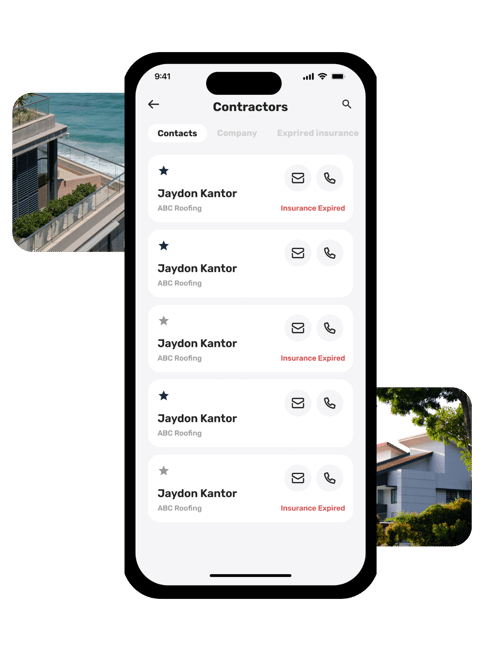
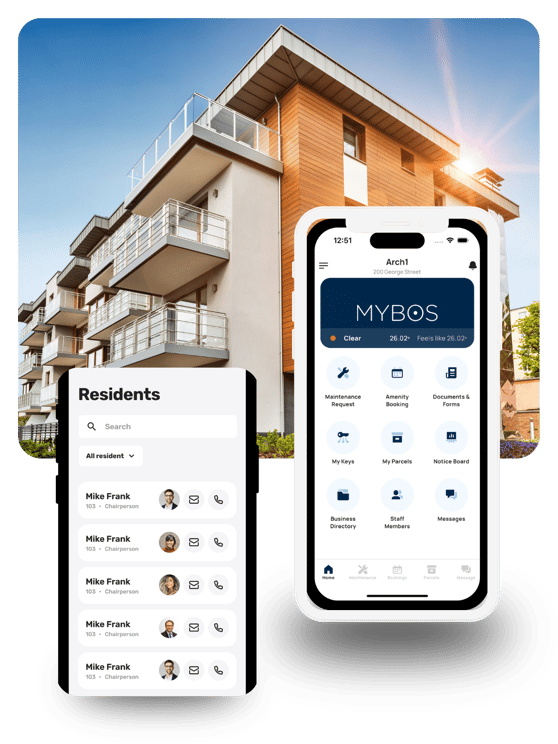
MY BOS is a property and facilities management platform used by building managers, owners' corporations, and contractors across Australia to run the day-to-day of strata and commercial buildings.
It was built to fix a familiar problem: work wasn't failing because people weren't trying — it was failing because it was scattered across inboxes, spreadsheets, and side conversations. MyBOS brought that into one place, structuring workflows, approvals, and daily operations so work could move cleanly from one step to the next.
As adoption grew, the platform expanded with it, and the experience started to lose consistency.
When success starts working against you
The problems didn’t appear overnight. They built slowly as the product expanded and different teams used it in different ways.
Manual Coordination Overhead
Managers were spending a noticeable part of their day just coordinating work. Instead of focusing on decisions, they were following up on status, checking who had responded, and confirming whether approvals had been completed. Daily stand-ups often turned into reconciliation sessions, where the goal was simply to figure out what had happened since the previous day.
Fragmented Workflows
A single operational process often required switching between multiple tools. For example, a request could be logged in one place, approved via email, and tracked manually in a spreadsheet. Each step worked on its own, but the connection between them depended on people remembering what to do next. This created gaps where tasks could sit unnoticed for hours or even days.
Limited Visibility Across Operations
There was no single place that showed the current state of work. To understand progress, someone had to check multiple systems or ask multiple people. This slowed down decision-making and made it difficult to identify bottlenecks early. Leaders couldn’t quickly answer basic operational questions without pulling information together manually.
Feature Depth Without Guided Usage
The platform had grown in capability, but not in guidance. Users had access to features, but there was no enforced structure on how those features should be used together. Different teams created their own versions of workflows, leading to inconsistency in how work was completed. This increased onboarding time and led to repeated support queries.
We were solving this problem for customers, but internally we were still stitching things together.
More customers meant more variations in how the system was used. Without a clear structure, support requests grew, onboarding took longer, and internal teams spent more time explaining processes than improving them.
The system was working, but it depended too heavily on human intervention to stay organised.
They almost didn't go ahead
The need for change was clear, but the path forward wasn’t.
Reworking a live platform carries risk, especially when users already depend on it daily.
-
“What if we rebuild parts of the system and disrupt existing users?”
-
“What if we invest months into this and it still doesn’t simplify how people work?”
-
“What if adding structure makes the platform harder to use instead of easier?”
Continuing as-is meant accepting that growth would bring more complexity. Fixing it required stepping back and rethinking how work should flow through the system at a fundamental level.
The design started with the understanding the business
The shift began during discovery sessions focused on real workflows.
Instead of discussing features, the conversations centred on how a task actually moved through a business from start to finish.
Where it started. Who touched it. Where it slowed down.
Without defined flows, every team recreated processes slightly differently. That variation introduced delays, confusion, and unnecessary communication.
During a detailed workflow mapping session, a seemingly simple process expanded into multiple steps involving different roles, approvals, and dependencies.
Seeing that mapped out in one place made the problem tangible.
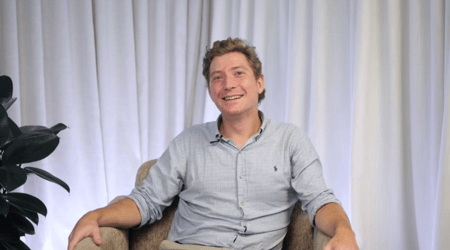
“Most vendors showed us what their software could do. EB Pearls tried to understand how we actually worked.”
Built around the customer, not the software
The work focused on restructuring how the platform handled workflows at its core.
Every task needed a clear path. Every step needed ownership. Every transition needed to happen without manual prompting.
Workflow Engine Redesign
Centralised Operational Dashboard
Created a real-time view of all active work, highlighting delays, bottlenecks, and upcoming tasks.
Approval Automation System
Triggered approvals automatically based on task progression, removing the need for manual follow-ups.
Role-Based Task Assignment
Ensured tasks were automatically assigned to the correct person based on role and workflow stage.
Integration Layer
Connected MyBOS to the external tools teams already relied on, accounting, communications, and contractor systems — so data flowed in one direction without duplicate entry.
Activity Tracking and Audit Logs
Recorded every action taken within the system, providing traceability and reducing ambiguity.
Most platforms fail because they start with software. This one started with operations.
01 Time Spent Understanding Real Work Instead of relying on assumptions, the team walked through real scenarios step by step.This revealed edge cases and dependencies that wouldn’t have been visible in high-level discussions.
02 Consistent Communication Rhythm Regular sessions focused on progress, blockers, and decisions.This reduced delays and kept both sides aligned on priorities without long gaps between feedback.
03 Focus on Behaviour, Not Features Every decision came back to one question:What should the user do next, and how can the system make that obvious?This kept the product grounded in practical use rather than feature expansion.
Three moments that built trust
They found a problem we didn't know we had
Every decision was explained before it was made
We saw our own operation in the prototype
Three weeks in, we saw our actual property and facilities workflows reflected in a working prototype. That was the moment our team stopped wondering if it was going to work — and started planning for when it launched.
From Manual Overload to Operational Clarity
| Metric | Before | After · EB Pearls |
|---|---|---|
| Task & Maintenance Tracking | Reactive, hard to track and follow up |
100% Real-time tracking
|
| Tenant Communication | Scattered across channels, inconsistent |
80% Streamlined
|
| Issue Resolution Time | Delays due to lack of visibility and coordination |
50% reduced
|
Technology stopped being the constraint; it became the engine.
"On Monday mornings meant chasing updates across email, spreadsheets, and phone calls before anyone could start on real work."
"The day starts on the dashboard. What needs attention is already surfaced, assigned, and moving."
With structured workflows in place, the platform can now support more complex use cases without increasing confusion.
New processes can be introduced within an existing framework, reducing the need for retraining and maintaining consistency as the user base grows.
This creates a foundation where scale doesn’t automatically introduce disorder.
Coordination stopped being a daily burden. It became part of the system itself.

Ready to bring the same clarity to your operations?
If you run a platform, a portfolio, or an operations team where work keeps slipping through the cracks, we can help you rebuild the flow — not just the features. Book a discovery call and we'll walk through your highest-friction workflow together.
Hey! Got a project?
Your project's type
What are the next steps?
- Our sales team reaches you within a few hours to organise a FREE consultation.
- Meanwhile, we sign an NDA to ensure the highest privacy level and protection of your idea.
- We will conduct a FREE consultation to understand your business requirements and will answer any questions you may have.
- Our expert strategist presents project estimates and approximate timelines.