
All Pumps had already invested in a custom maintenance app built offshore. In high-risk pump environments- mining, manufacturing, oil and gas. It was crashing, exposing data, and slowing technicians down. Rather than write off the investment, All Pumps asked us to find what could be saved and rebuild what couldn't.
-
Client
- Project type Mobile App
- Industry Field Services
.png?length=400&name=Nexus%20(All%20Pump).png)


They almost didn't go ahead
The decision to fix the system wasn’t straightforward. After investing heavily in a platform that failed under real field conditions, the team had to decide whether to risk more budget on another attempt or continue operating with a system that introduced safety and operational risk.
- We’ve done this before. What if it happens again?
- The first project already cost a lot. Are we about to double that?
- If this fails again, it’s not just money - we’re risking the business.
The question shifted from “Should we rebuild?” to “Can we recover what’s already been built?”
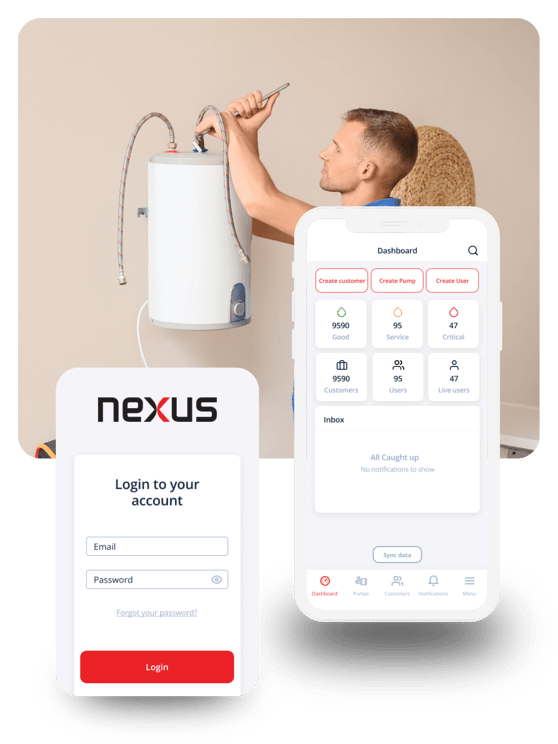
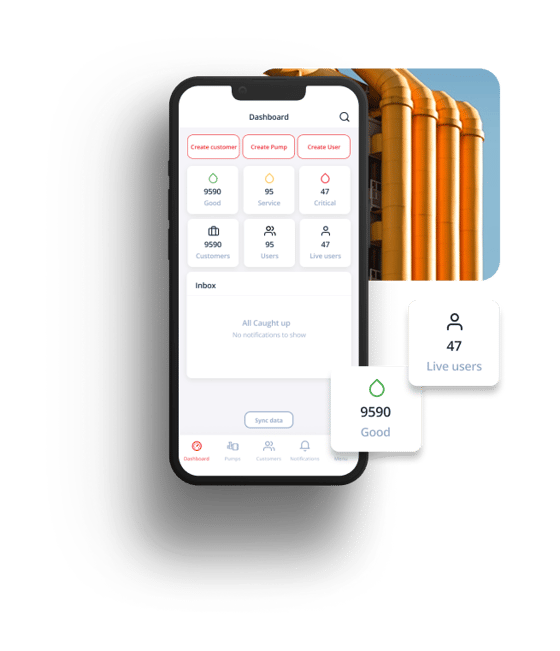
Built around the customer, not the software
The focus became clear: stabilise the platform, rebuild its foundation, and make it usable in real field conditions.

Code Audit of Existing Application
Reviewed the full system in detail to understand what was functioning as intended and where structural weaknesses were causing instability. This helped separate reusable components from areas that required deeper rework.

Selective Rebuild Strategy

Architecture Redesign

UX/UI Redesign
Redesigned key field workflows to better match how technicians actually performed audits and maintenance tasks on-site. This included simplifying audit forms and improving maintenance reporting screens for faster completion in the field.

Platform Stabilisation
Security Enhancements
Three decisions that changed the outcome

Audit before action.

Translation, not jargon.

Designed around the technician, not the screen.
Field workflows were rebuilt based on how audits actually happen on-site, not how they looked in a spec doc.
The system stopped being a liability. It became a tool the business could rely on.
“It was bad. When a critical safety system like this doesn’t work, the consequences can be catastrophic.”
“The greatest outcome is peace of mind. The platform works, and the safety risk is gone.”
Technicians now complete audits and maintenance reports directly from the field without second-guessing the system. Forms capture the right data the first time, reducing back-and-forth with office teams.
The platform is no longer something teams work around. It has become part of the daily workflow, supporting decisions instead of slowing them down.
Tell us about your app. We'll take it from there.
What to expect
-
1
Share a few details
Complete the form with your contact details and what you need help with. -
2
Book your free discovery call
Once you submit the form, choose a time that suits you for your discovery call. -
3
Privacy comes first
Sign an optional NDA to ensure the highest privacy level and protection of your idea. -
4
Discovery call
We’ll discuss your goals, the support you need and answer your questions. If we’re a good fit, we’ll outline the next steps.
What to expect
-
1
Share a few details
Complete the form with your contact details and what you need help with. -
2
Book your free discovery call
Once you submit the form, choose a time that suits you for your discovery call. -
3
Privacy comes first
Sign an optional NDA to ensure the highest privacy level and protection of your idea. -
4
Discovery call
We’ll discuss your goals, the support you need and answer your questions. If we’re a good fit, we’ll outline the next steps.