WEB APP DEVELOPMENT / Bingo Industries

How Bingo Industries Simplified Fleet Operations Across 350+ Vehicles

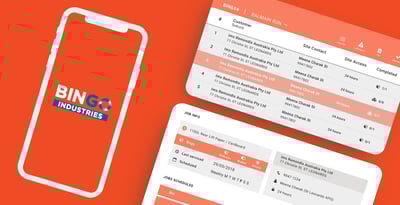
Bingo Industries runs 350+ collection vehicles across Australia. We built the tablet app that replaced their fragmented morning routine — inspections, job lists, site details, and status updates — with a single driver workflow.

Meet Bingo Industries

Bingo Industries operates one of Australia's largest waste management fleets, 350+ collection vehicles moving across commercial and residential sites every day. Beyond collection, the business is focused on reducing landfill and increasing recycling outcomes, guided by a "use less, use again, use wisely" philosophy.

Coordinating that volume of daily driver activity, without adding friction to already demanding workflows, required a purpose-built system.

When the Day Starts Without Clarity

Before the platform, drivers and operations teams relied on a mix of manual processes and disconnected tools.

icons8-service-50-1

Multiple Sources For Daily Tasks

Drivers checked different systems or relied on verbal updates to understand their job list and schedule.

Document-2

Manual Job Updates

Status updates were often recorded manually, which created delays in visibility for operations teams.
icons8-apartment

Fragmented Site Information

Details like site access times and contact information weren’t always easy to access during active jobs.
icons8-cv

Inconsistent Safety Records

Start-of-day inspections and risk assessments were essential, but not always captured in a structured, repeatable way.

If the information isn’t clear before the shift starts, everything else takes longer.

That lack of clarity had a direct impact on how efficiently the day could run.

Designing for Real Conditions

Before development, the team needed to solve practical challenges.

  • How do we design something that works reliably in the field?
  • How do we bring safety, jobs, and updates into one system?
  • How do we keep it simple for drivers while handling complex operations behind the scenes?

The system had to perform in real environments — in vehicles, on-site, and under time pressure.

That meant prioritising speed, clarity, and minimal interaction.
 

37-2

One Flow From Start to Finish

The tablet app became the single point of interaction for daily operations.

Drivers could move from start-of-day inspections to job completion without switching systems or relying on external updates. This created a consistent flow that matched how work actually happened in the field.

★   the reframe   •   built to last™ right design
When drivers don't have to search for information,they can focus on completing the work.
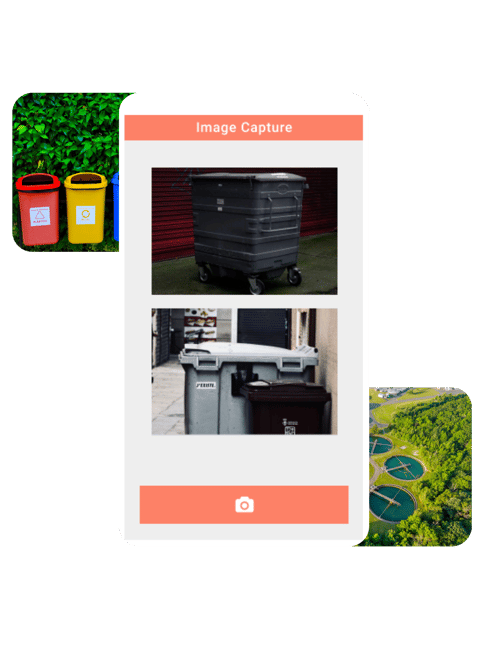
Drivers completed safety checks, accessed job details, and updated job status — all within the same system.

Built for the Field

The system was designed around how drivers actually work — moving between sites, completing jobs, and managing tasks throughout the day.

icons8-search-more

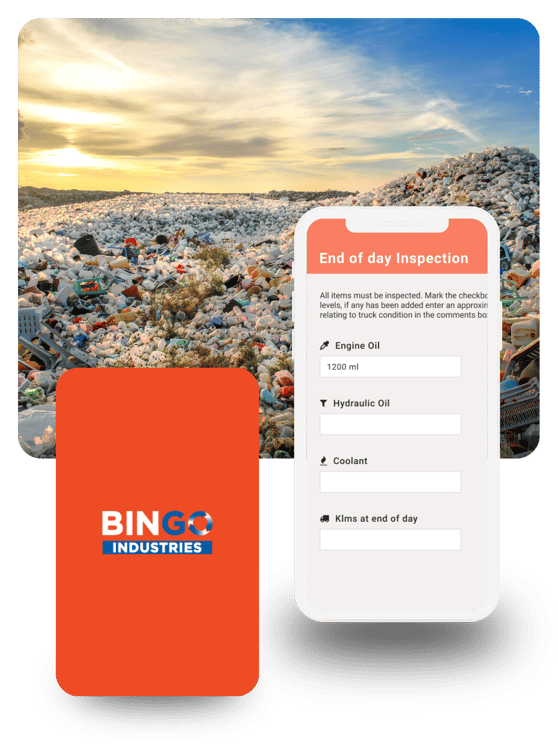
Start-of-Day Inspection

Drivers complete structured safety checks and risk assessments before beginning their shift.
icons8-medal-1-3

Job List Management

Drivers can view assigned jobs, update status, and track progress in real time.
icons8-apartment

Site Information Access

Key details like access hours, contacts, and site requirements are available within each job.
icon-transparent-pricing

Real-Time Job Updates

Status changes are recorded directly in the system, improving visibility for operations teams.
icons-health-insurance

Centralised Driver Interface

All daily tasks are managed from a single tablet-based interface.
icons-salesforce

Structured Data Capture

Inspection and operational data are consistently recorded for reporting and compliance.

Making Complex Work Feel Simple

01 Designed for real-world use The system needed to perform reliably across active, fast-paced environments.

02 Embedded safety into the workflow Inspection and risk checks were built into the start of each day.

03 Unified job management Drivers accessed all job-related information in one place.

04 Reduced reliance on manual processes Manual tracking was replaced with structured digital workflows.

Three design decisions that shaped the build

The focus was on designing around real behaviour — not idealised user journeys.

The before and after, in numbers

The impact showed up in how consistently the fleet could operate each day.
Metric Before After  ·  EB Pearls
Vehicles on unified workflow 0
350+
Tools drivers used to start a shift 3+ (manual + verbal)
1 tablet app
Daily safety inspections captured Inconsistent / paper-based
Digitised across full fleet
Job status latency Hours (manual relay)
Real-time

Work That Moves With You

Before

“I had to check multiple places before I could start my day.”

After

“Everything I need is in one place, and I can get moving straight away.”

Drivers no longer needed to rely on fragmented systems or manual updates to start their day.

This reduced delays at the start of each shift and created a more consistent rhythm across the fleet.

With a unified operational system in place, Bingo Industries can continue improving visibility, refining workflows, and scaling fleet performance across new regions.

36

Your operations are only as consistent as the tools your team uses.

We build the systems that make the complex work feel simple from first inspection to final job.

Hey! Got a project?

Your project's type

What are the next steps?

  1. Our sales team reaches you within a few hours to organise a FREE consultation.
  2. Meanwhile, we sign an NDA to ensure the highest privacy level and protection of your idea.
  3. We will conduct a FREE consultation to understand your business requirements and will answer any questions you may have.
  4. Our expert strategist presents project estimates and approximate timelines.